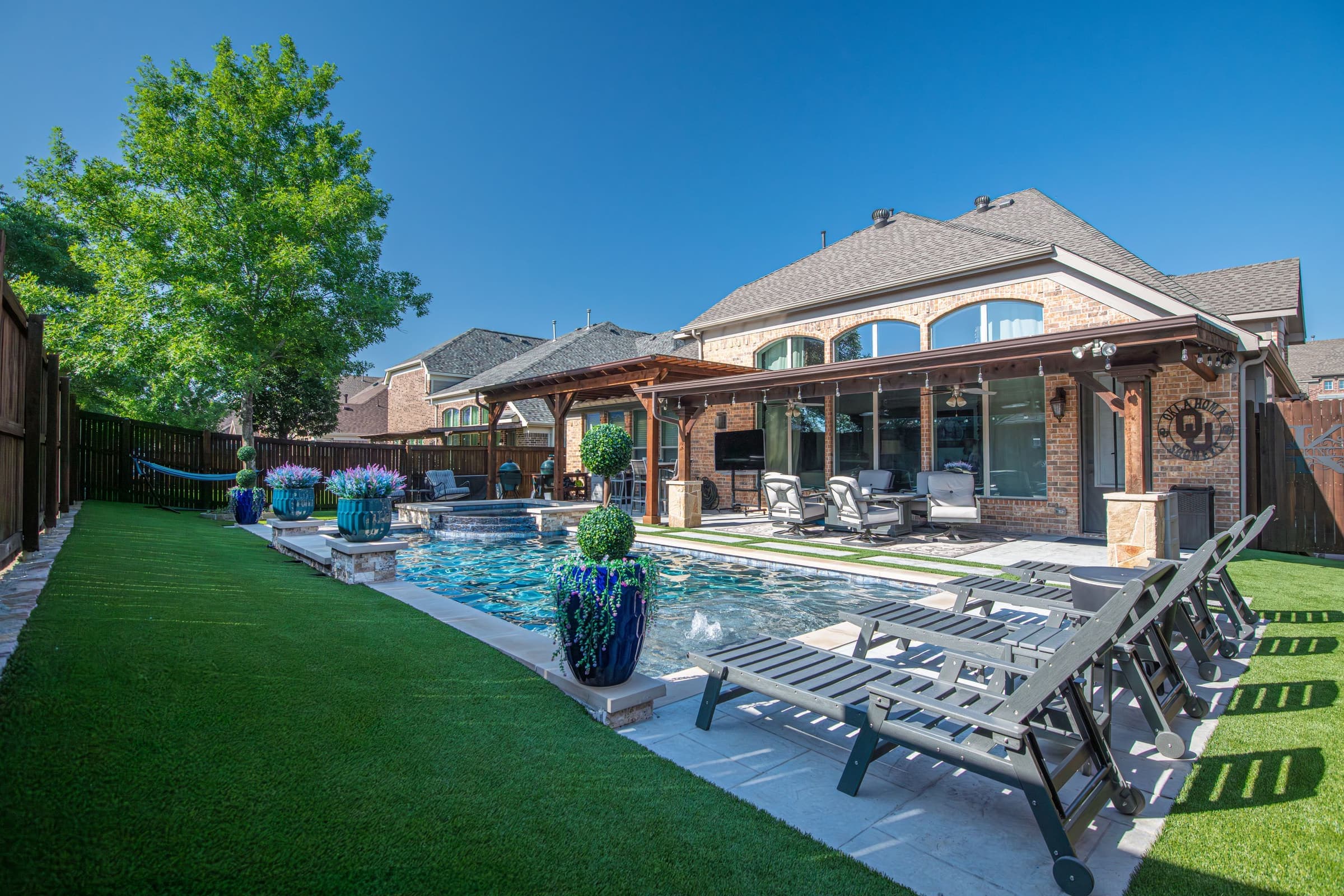
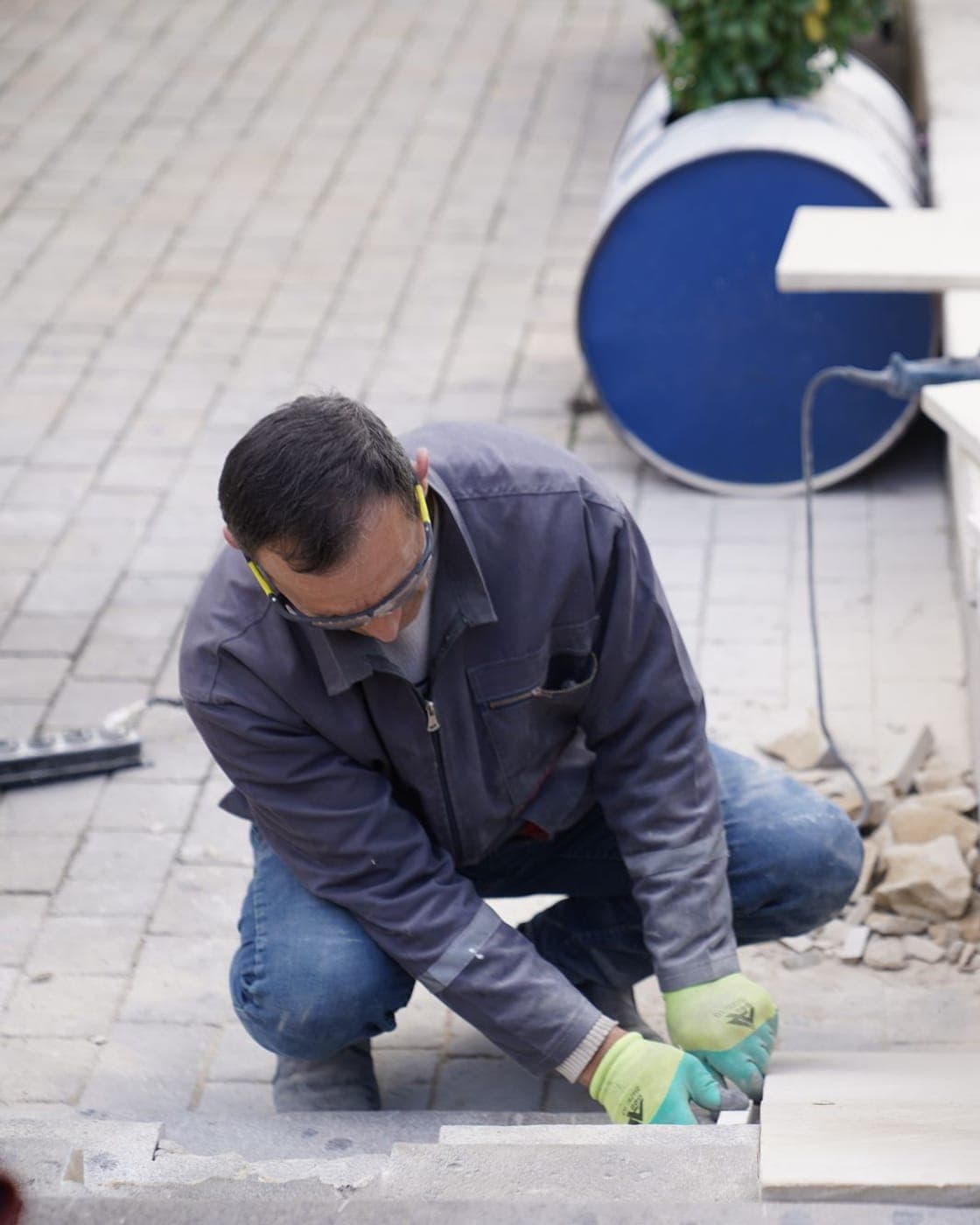
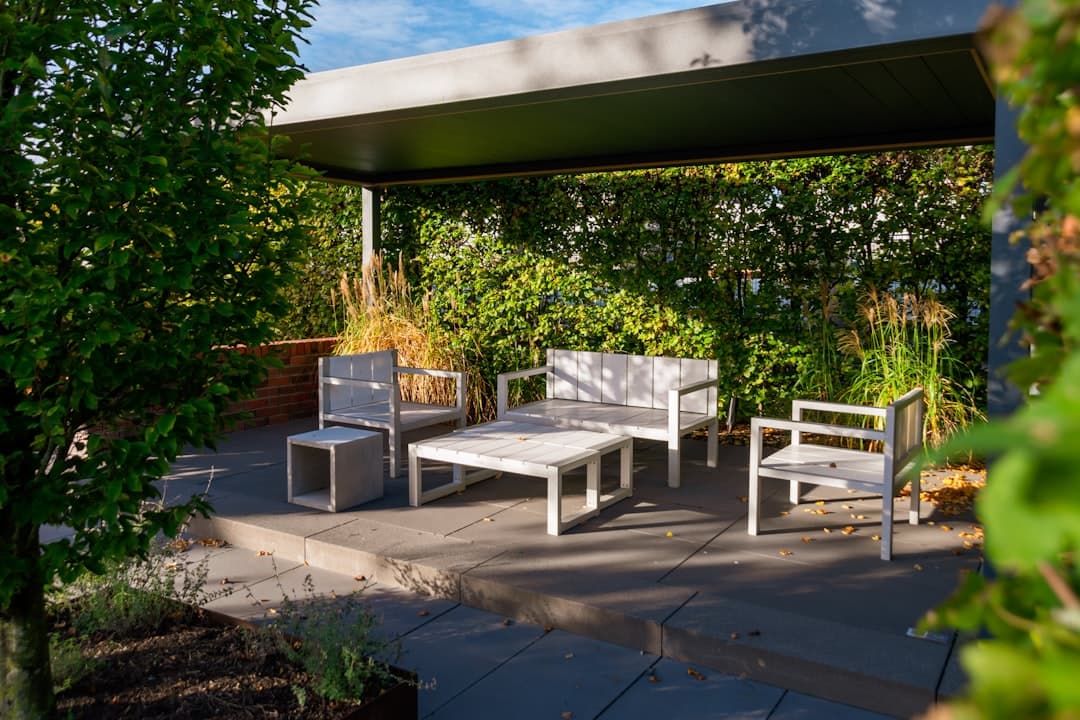
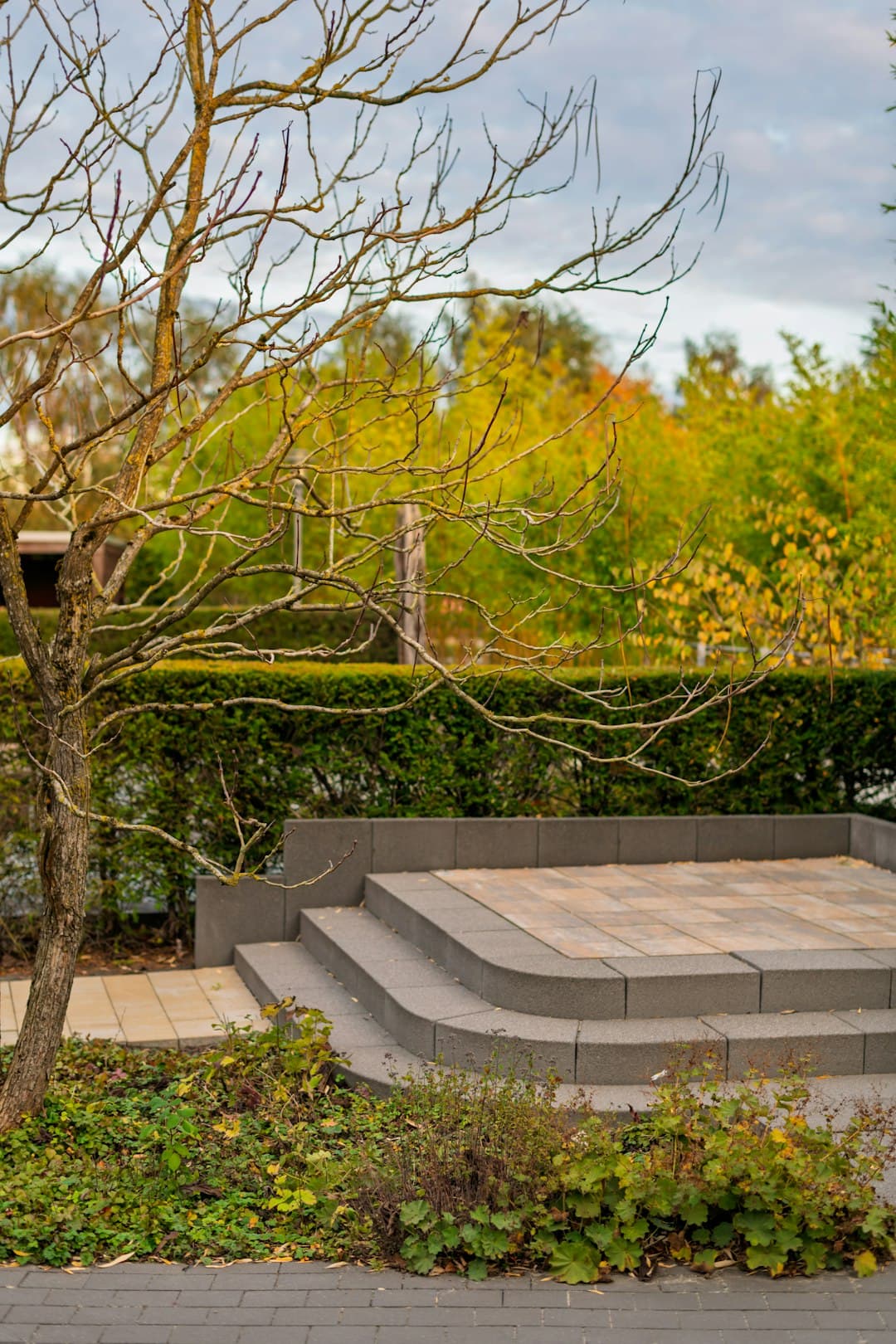
It depends on what you sell and what you already have, and plenty of businesses get a very good site out of photographs taken on a phone.
What doesn't work is stock, and the reason has nothing to do with the quality of the picture.
What stock photography costs you
The licence fee is the least of it. A stock photograph is a picture of somebody else's business, and visitors read that faster than you would expect. A smiling team in a boardroom nobody in your town has stood in tells a customer there was nothing real to show.
It's also not exclusive. The same handshake, the same white kitchen and the same van turn up on your competitors' sites, and somebody comparing three of you sees the same picture twice in an afternoon.
There's a cost that surfaces later too. A stock licence usually belongs to whoever bought it and may not transfer when the site changes hands, which is one of the four things worth checking in do I own my website.
When your own photos are good enough
Often. A recent phone is a good camera, and the constraints are simple.
- Daylight. Near a window, or outside on an overcast day. Overhead office lighting is what makes a photograph look cheap.
- Tidy first. Move the bin, the cable, the coffee cup. This matters more than the camera does.
- Straight and level, from normal standing height, no filters.
- Landscape, and plenty of them. A hero image needs a wide crop and you want options to choose from.
A trade with a phone full of finished jobs is in a better position than a business with a professional shoot of an empty premises. Real work beats production value.
What a shoot changes
Three things, and sharpness isn't one of them.
- Shot for the layout. A hero needs a wide frame with space where the headline sits. A gallery wants squares. Photographs taken without knowing where they will go get cropped into something that nearly works.
- Consistency. Twelve photographs sharing a light and a look read as one business. Twelve taken over four years on three phones read as a folder.
- People. The hardest thing to fake, and what makes a business look like somewhere you would ring. Most have no usable photograph of the people who do the work.
Photography and video is part of the build here for that reason, and the shoot happens before the layout instead of after it.
The shots most businesses are missing
- The people, individually and together, looking like they do at work rather than posed against a wall.
- The premises or the vehicle, so somebody recognizes you when you arrive.
- Work in progress, which sells competence better than a finished result does.
- Before and after pairs, shot from the same spot at the same height. On a trade this is the most persuasive thing on the whole site.
- The product on a clean background, same angle and scale every time, if you sell anything.
Get the photographs before the build, not after
A layout designed around photographs that exist is better than a layout with holes in it labelled photo to come. Holes get filled at the end, in a hurry, with whatever is to hand, and that's how stock ends up on a site that never needed it.
It's also the most common reason a project stalls. Waiting on content is what turns a two-week build into a three-month one, and photographs are the content people underestimate most. How long a website takes covers the rest of it.
Using what you already have
- Send the originals, at full size, not the copies that went through a messaging app. That compression isn't recoverable.
- Do not put them on the site at camera resolution. A 6 MB photograph served to a phone is among the most common reasons a site is slow.
- Crop, never stretch. A stretched photograph is noticed even by people who couldn't tell you why.
- Describe them in the alt text. It's what a screen reader announces and what an image search reads.